UN CTED Report Highlights Terrorist Propaganda as Operational Infrastructure
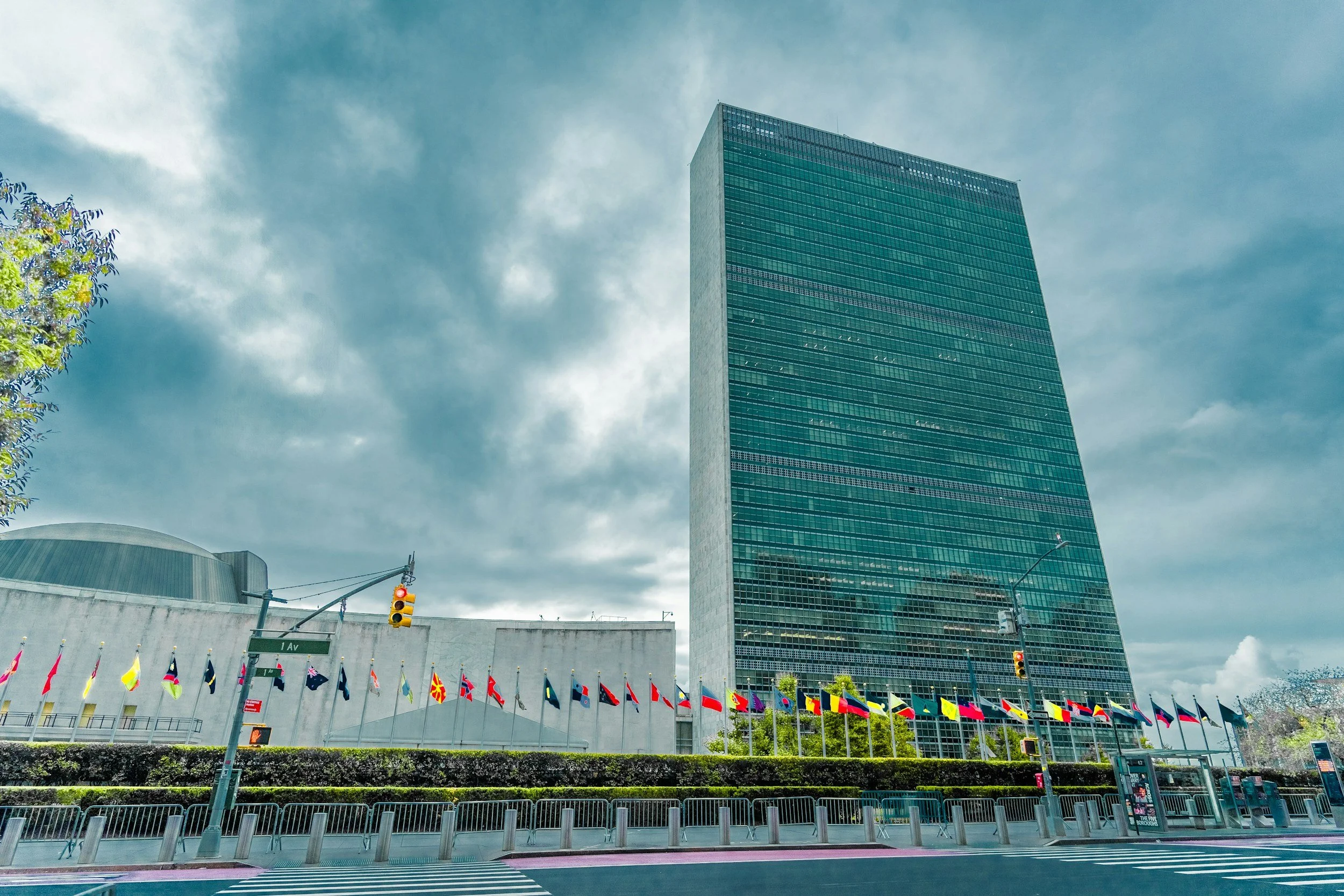
Image by Unisplash
The UN Counter-Terrorism Committee Executive Directorate (CTED) has released a new Trends Report titled "Beyond Messaging: Terrorist Propaganda as Operational Infrastructure," detailing how extremist networks have transformed online media from mere messaging into functional operational backbones. Rather than serving solely for post-incident publicity, modern propaganda is now integrated directly into attack planning, recruitment, logistical financing, and decentralised command-and-control.
The findings highlight an alarming technological evolution, notably the weaponisation of artificial intelligence for rapid multilingual outreach and the exploitation of gaming platforms and nihilistic subcultures to radicalise youth. CTED warns of a widening "acceleration gap" as decentralised digital adaptations outpace institutional countermeasures.
For the counter-terrorism medicine and emergency response community, these operational shifts underscore the ongoing threat of rapid, low-barrier lone-actor attacks, gamified violence, and decentralised mass-casualty incidents. Understanding propaganda as a tactical enabler reinforces the vital need for agile pre-hospital preparedness, integrated threat-intelligence sharing, and robust hospital disaster readiness across Europe. The full report is available on the UN Security Council Counter-Terrorism Committee portal.