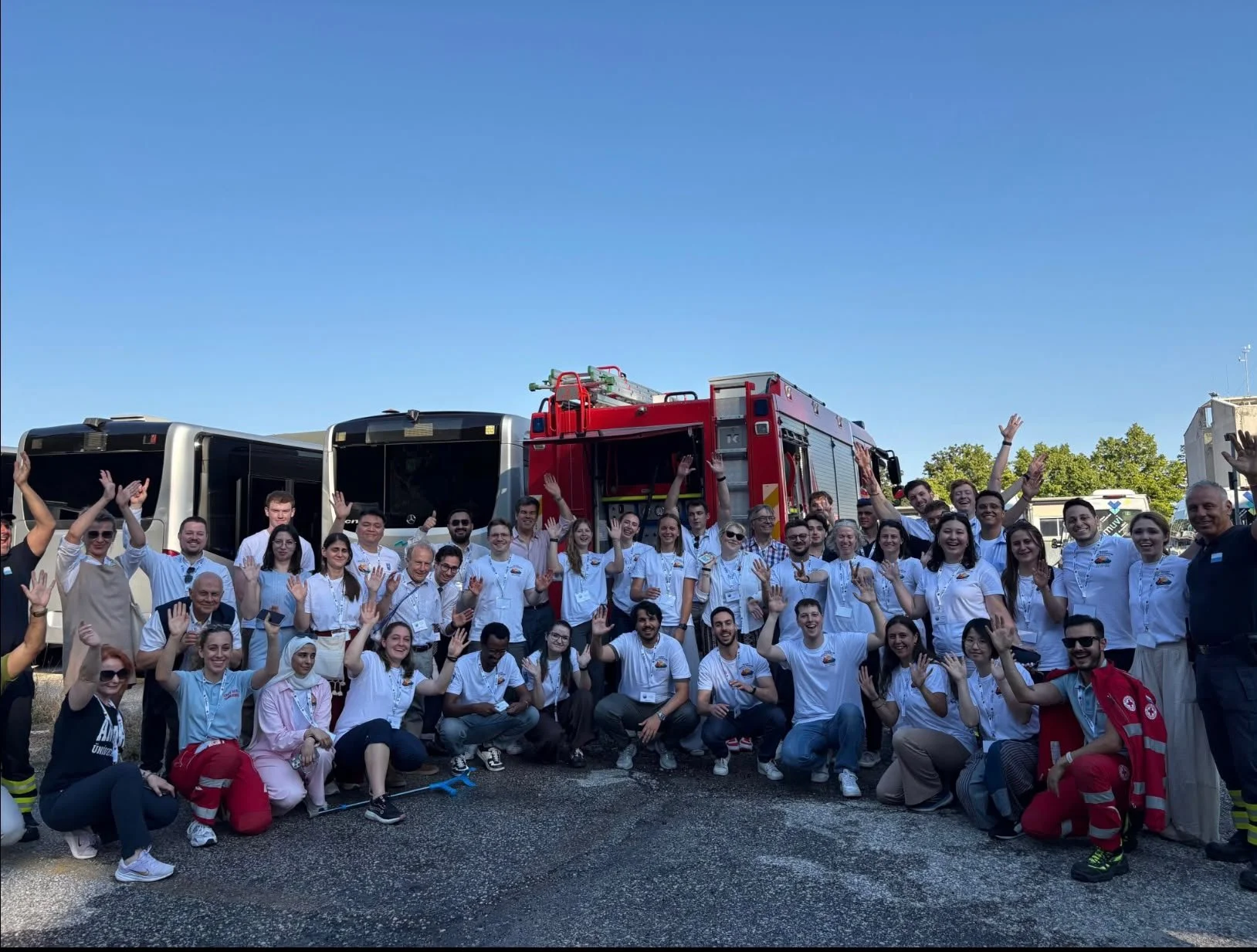
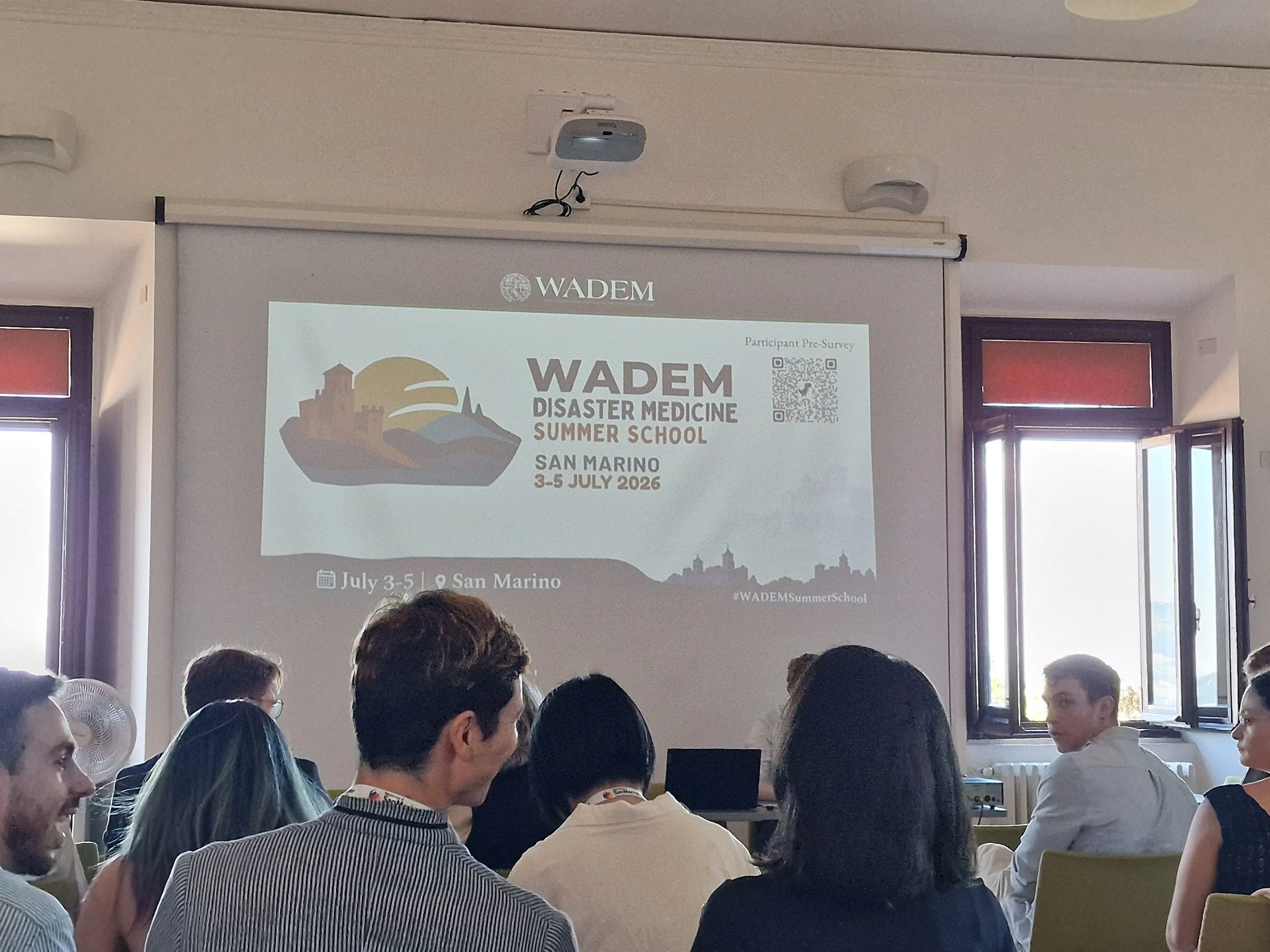
The inaugural WADEM Disaster Medicine Summer School concludes successfully in San Marino, setting a new Gold Standard for simulation-driven disaster and emergency crisis training.
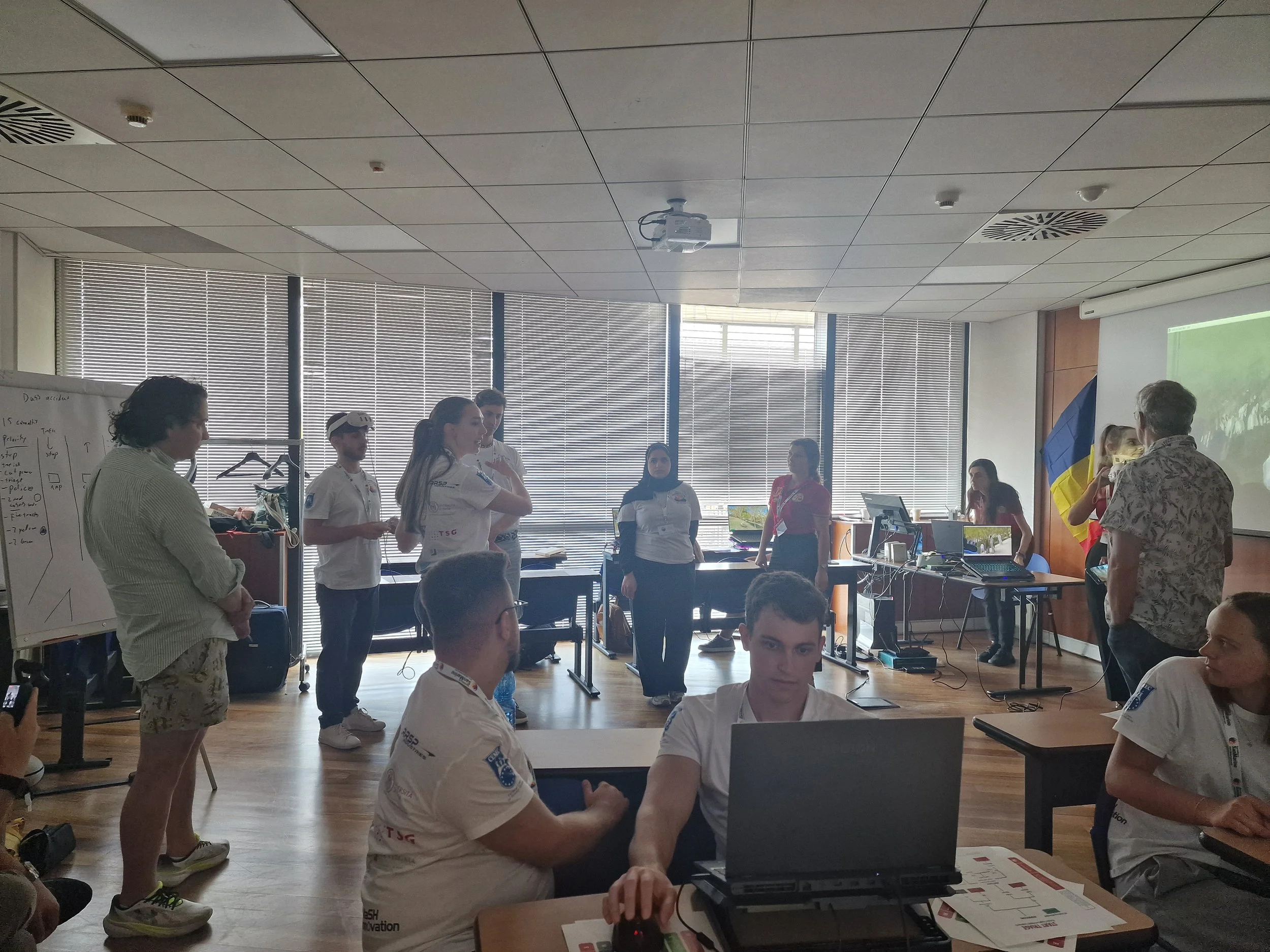
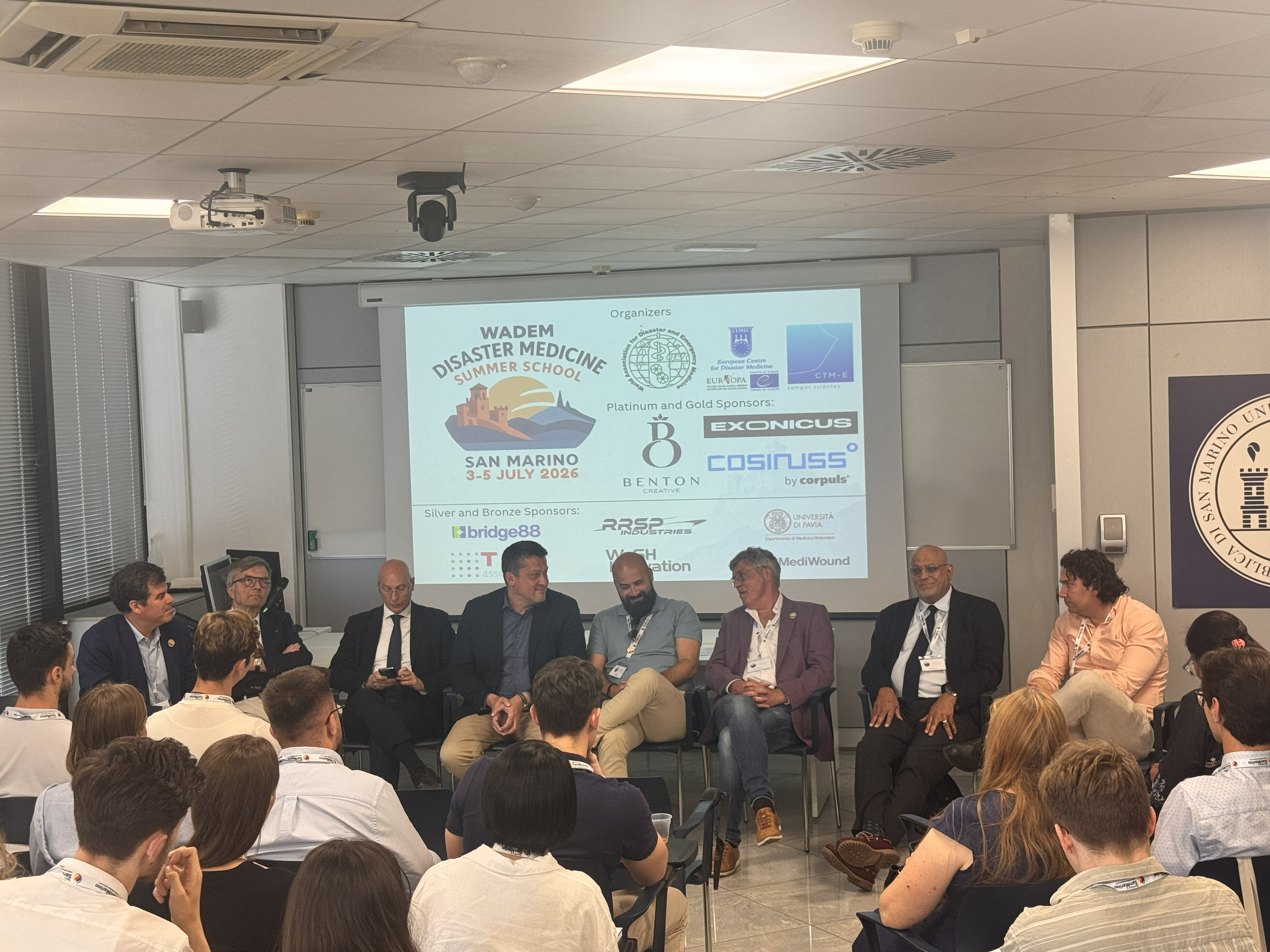
Following three intensive days of high-level academic instruction, multidisciplinary workshops, and immersive emergency field exercises, the first edition of the WADEM Disaster Medicine Summer School has officially concluded in the Republic of San Marino.
Initiated by the World Association for Disaster and Emergency Medicine (WADEM), the pilot program that took place between 3-5 July in the Republic of San Marino was brought to fruition through the strategic planning and leadership of the WADEM Student and Young Professional Special Interest Group (SYP-SIG) leadership team, including Aidana Sissenberdiyeva, Andrew Shanes, and Jared D. Erb. The milestone event was co-organised in close partnership with the Counter-Terrorism Medicine Europe (CTM-E) and the European Centre for Disaster Medicine (CEMEC).
The program successfully bridged the training gap for post-secondary students and early-career professionals, establishing a scalable educational model designed to cultivate the next generation of global crisis healthcare leaders.
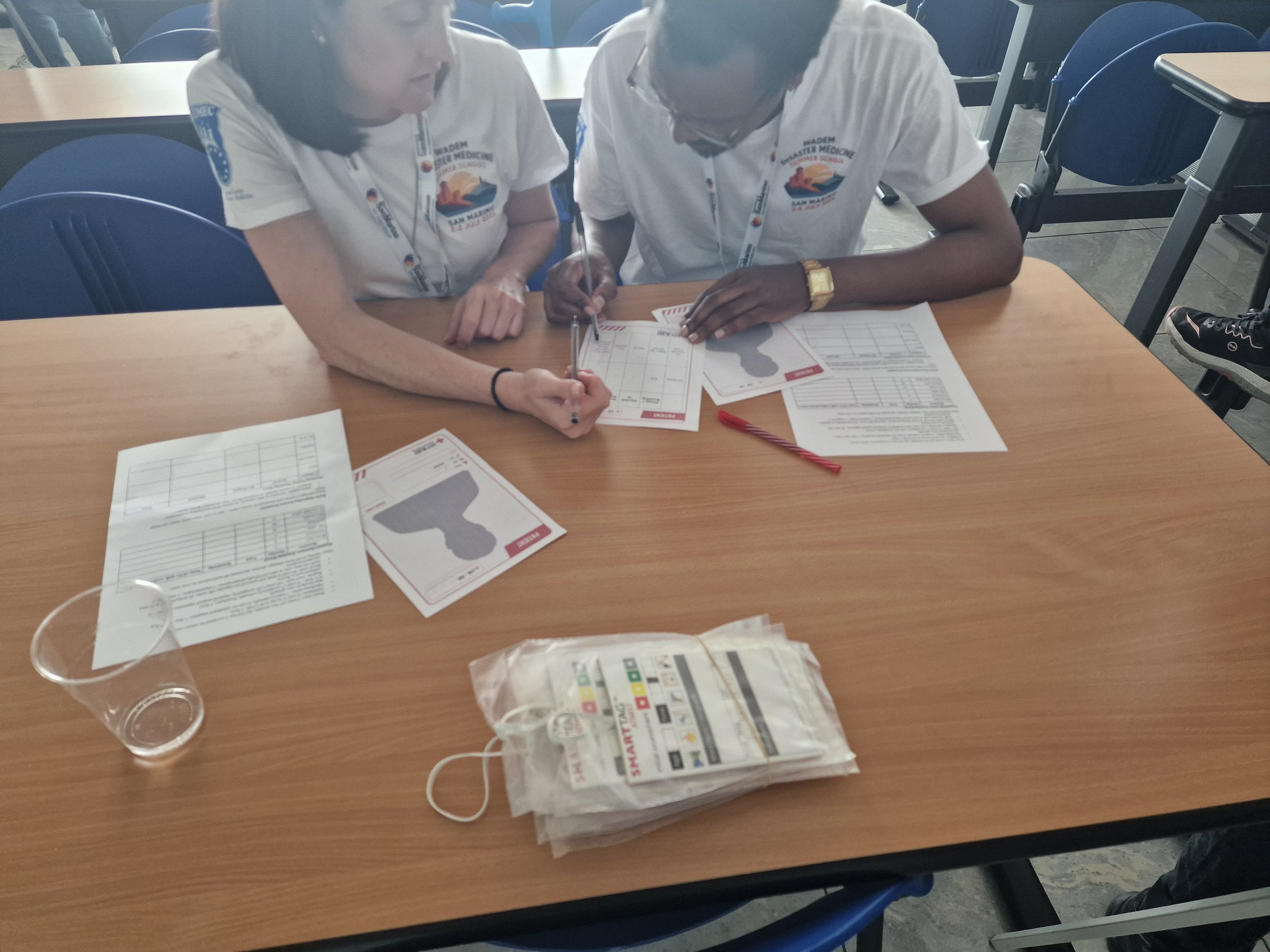
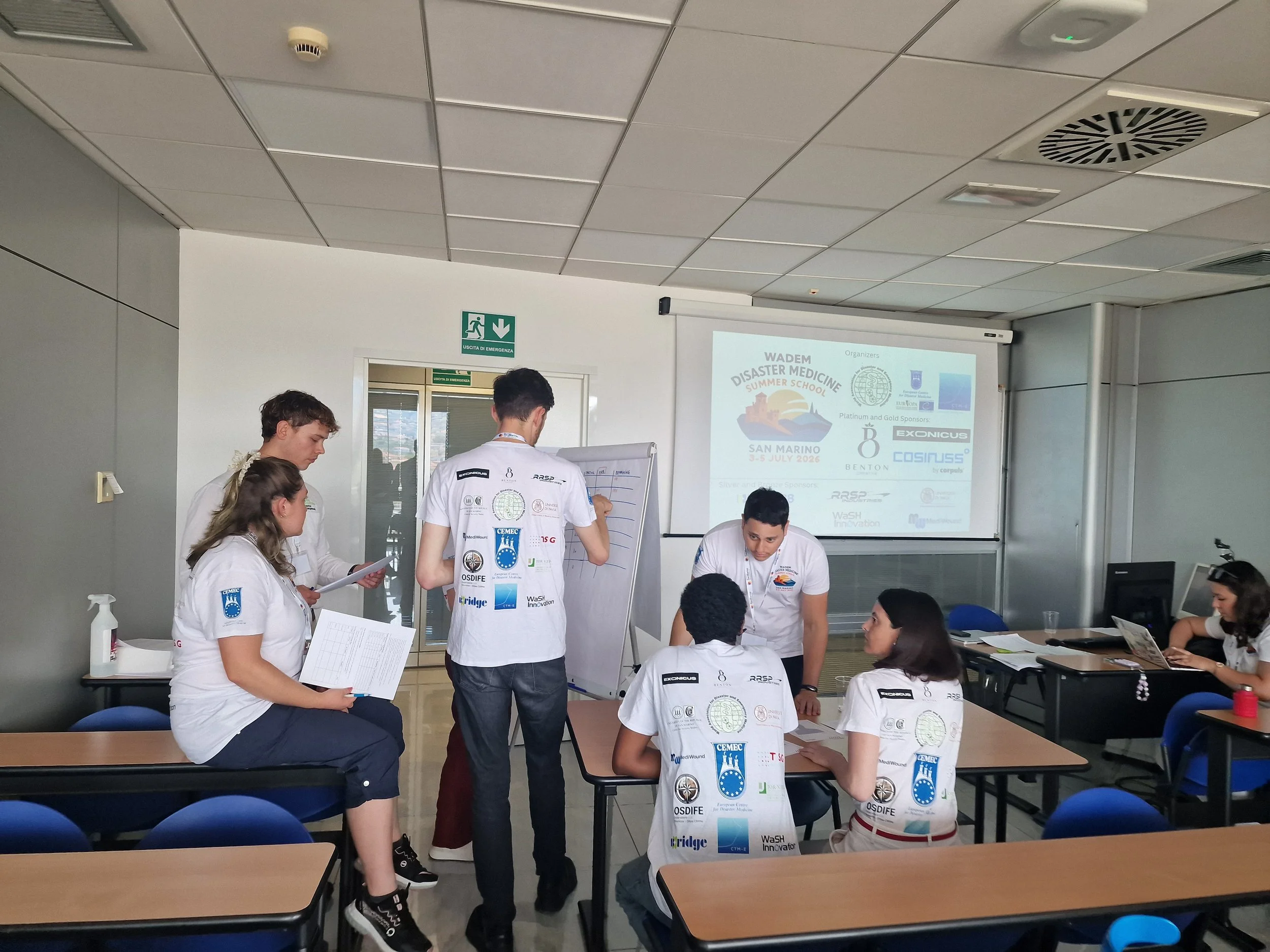
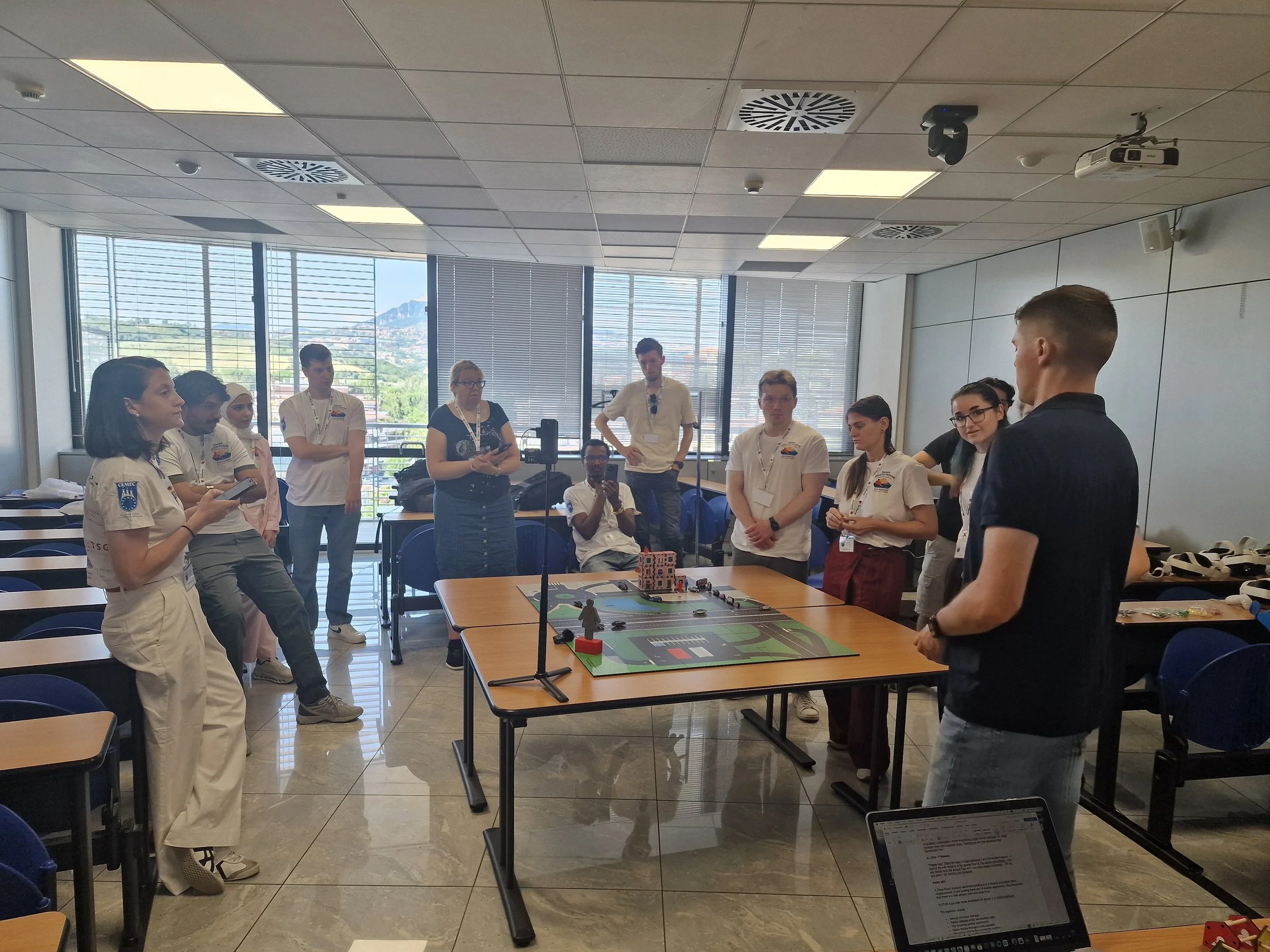
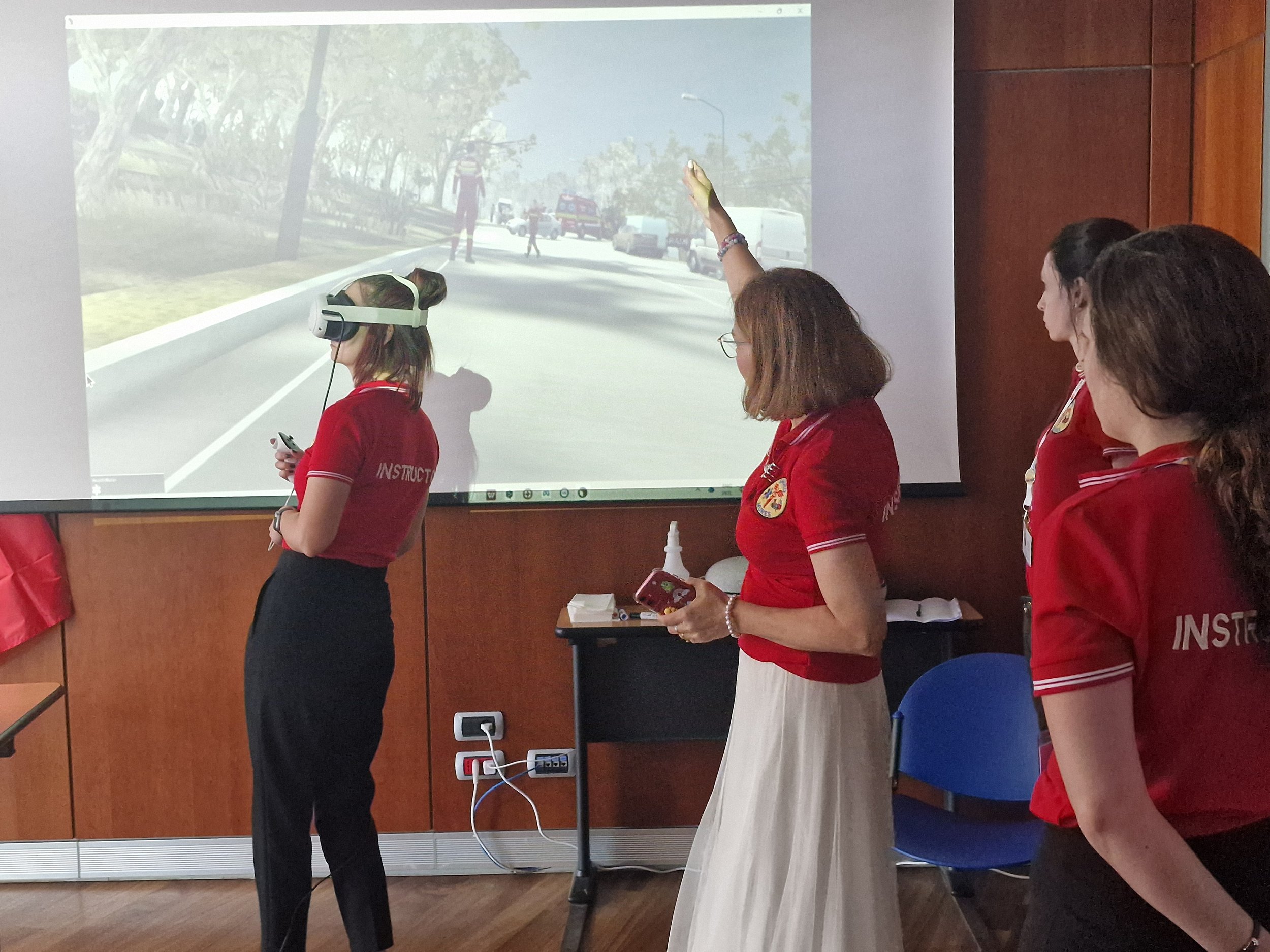
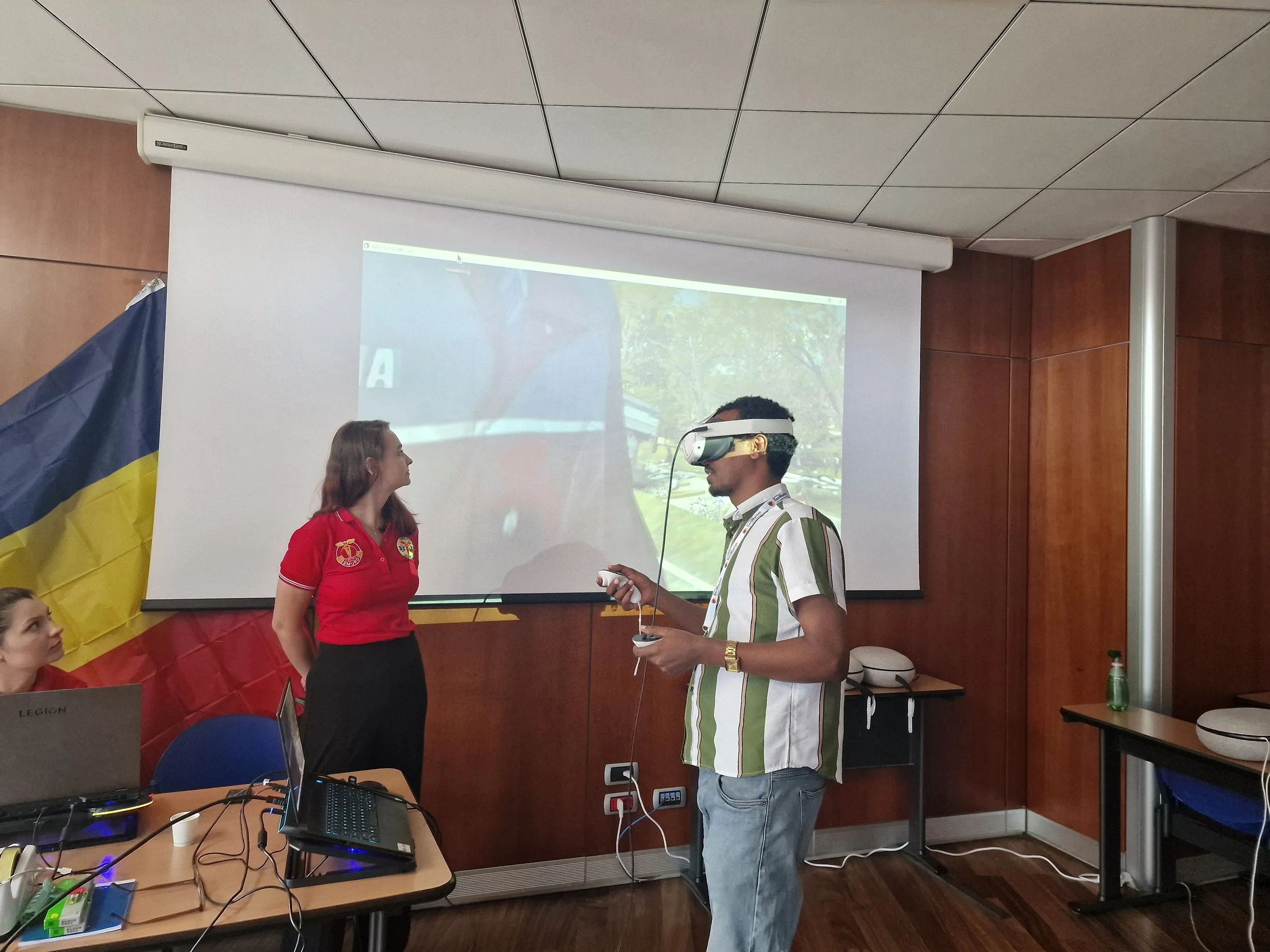
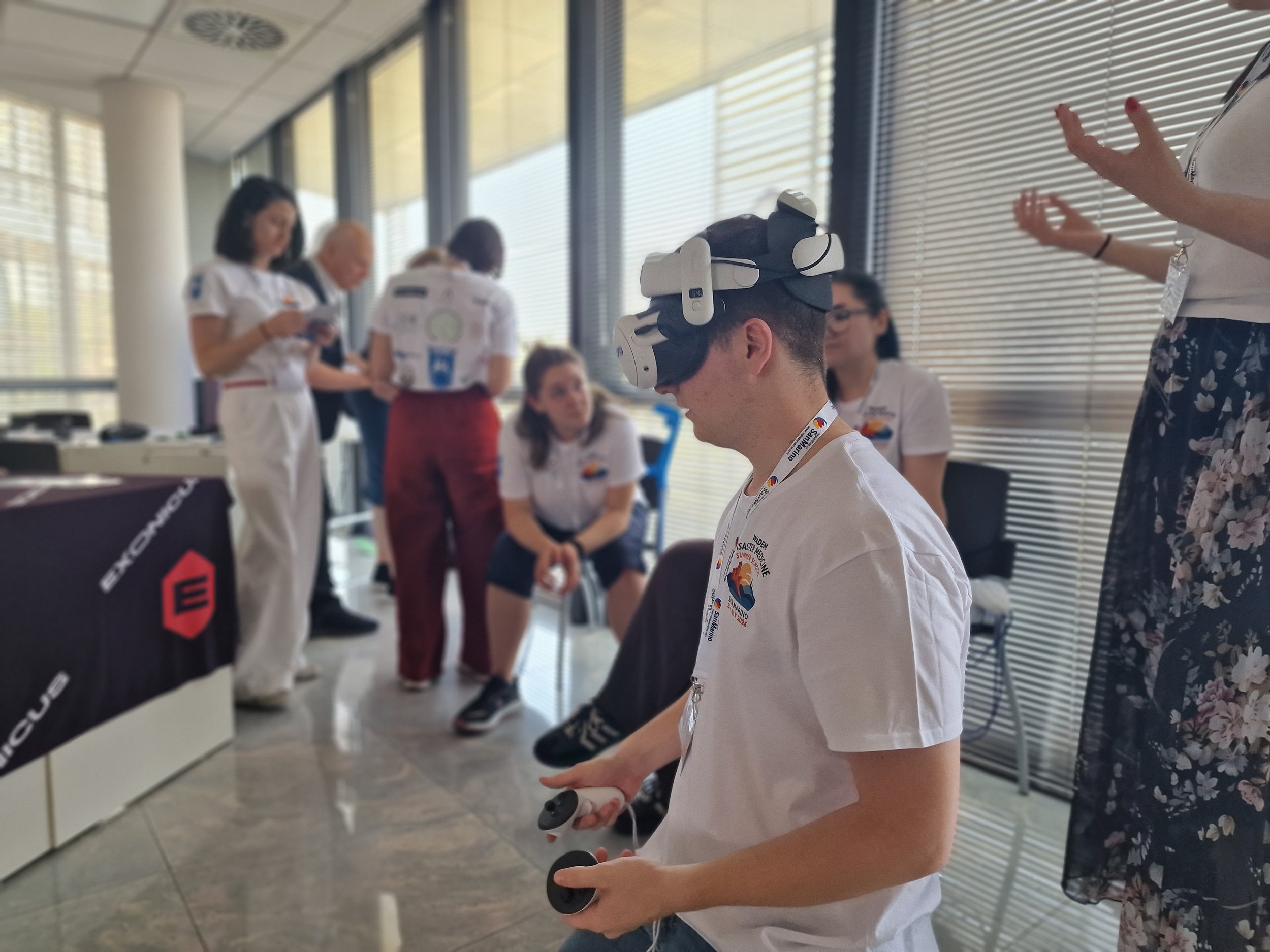
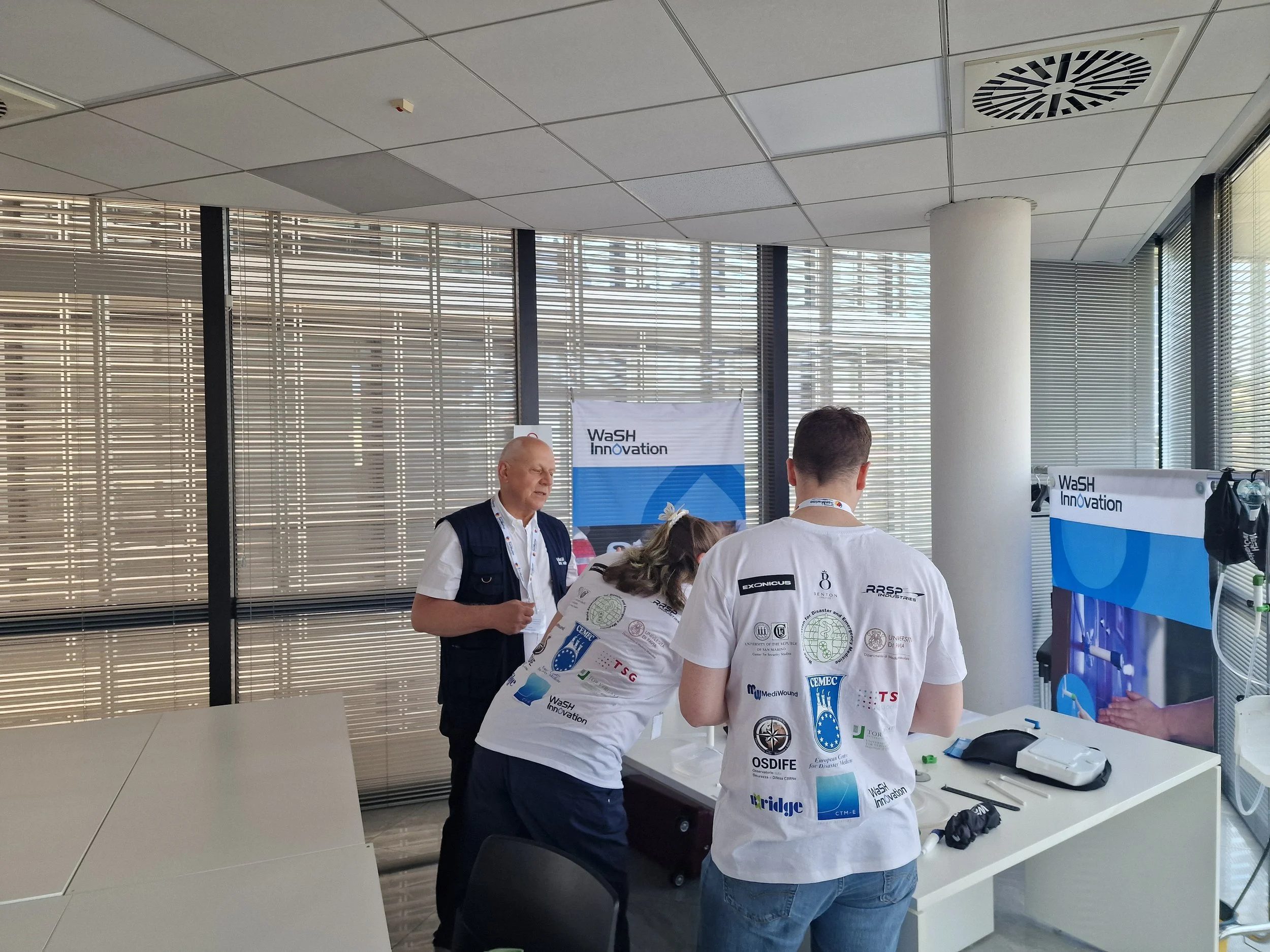
The WADEM Disaster Medicine Summer School moved beyond traditional lecture-based formats to provide a dynamic "living lab" environment where theory met frontline operational realities. Over the course of the event, participants were fully immersed in cross-cutting disaster medicine domains, with critical focus on the following core areas:
Mass Casualty Incident Management & Triage Systems: Methodologies to optimise clinical prioritisation and rescue protocols under extreme operational pressure.
Incident Command & Disaster Preparedness: Structural governance and command principles necessary to manage unpredictable, fluid threat landscapes.
Humanitarian response: Exploring the logistical, ethical, and clinical complexities of field deployment in austere and conflict-impacted environments.
Simulation and Virtual Reality (VR) in Healthcare Education: Harnessing emerging, immersive technologies to safely replicate real-world crisis scenarios and build practical muscle memory for healthcare teams.
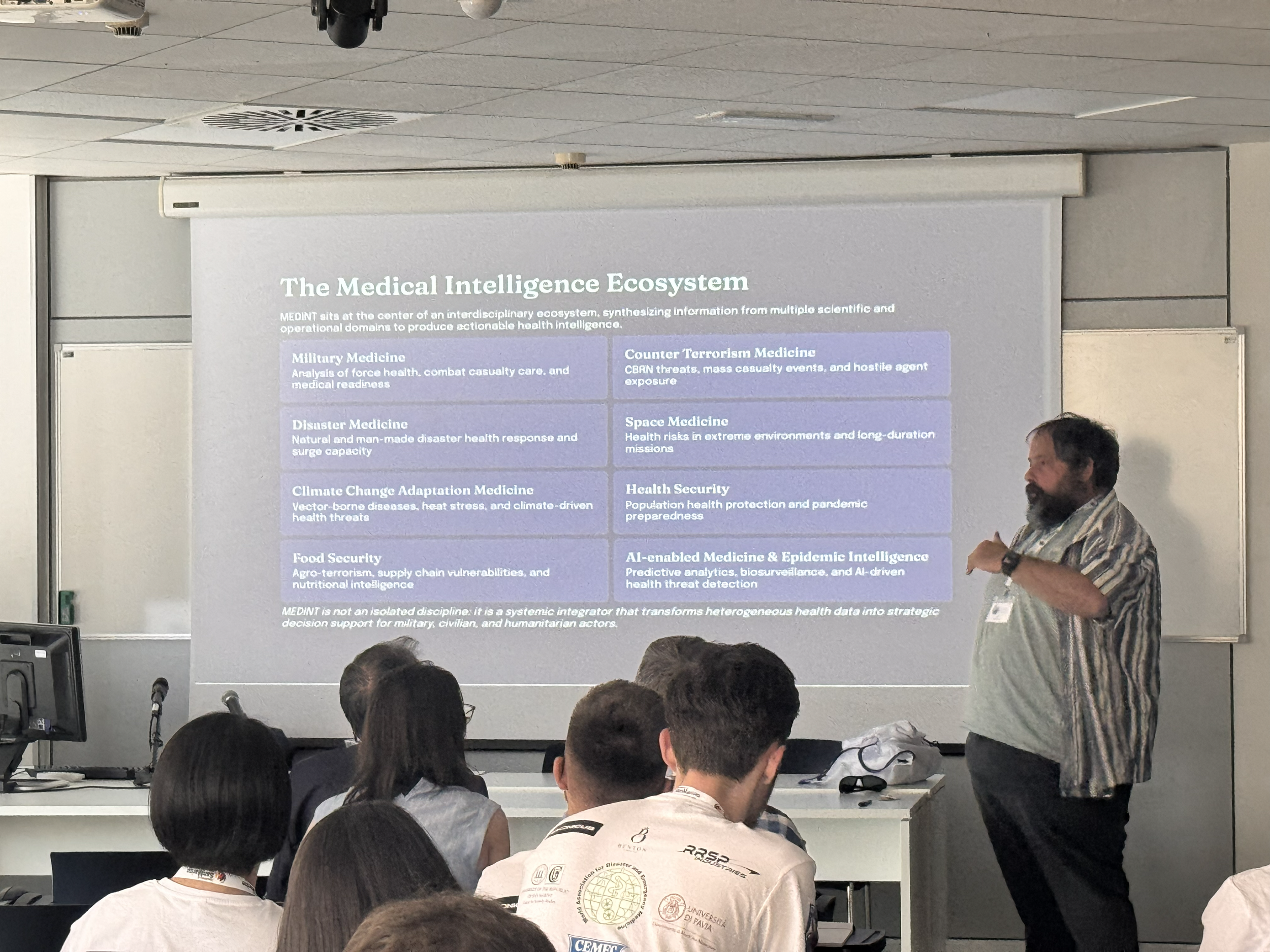
As the contemporary European risk landscape evolves, asymmetric threats and unconventional hazards demand specialised medical workflows. Counter-Terrorism Medicine has emerged as a vital pillar of health security, operating uniquely at the intersection of public health, national defence, and emergency medical response.
As a key co-organiser, CTM-E utilised the Summer School platform to advance its core mission: optimising civil-military coordination, enhancing frontline responder safety, and developing standardised cross-border mass-casualty protocols. Training future medical professionals to effectively mitigate the clinical and tactical consequences of complex attacks remains crucial to safeguarding public health infrastructure across Europe.
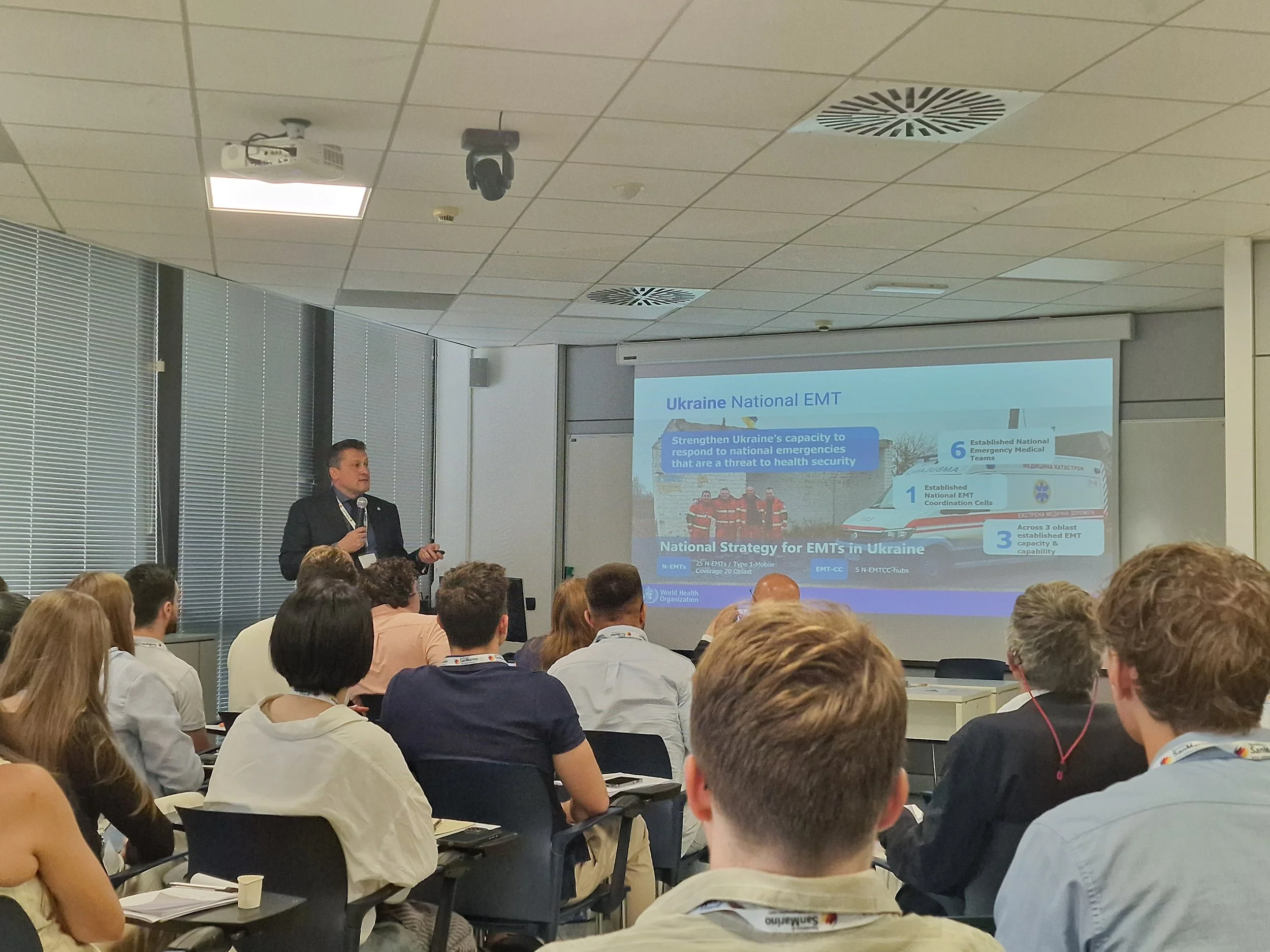
The historic event attracted an international cohort of highly motivated undergraduate students, residents, and young practitioners representing human medicine, veterinary medicine, nursing, prehospital care, paramedicine, and public health from more than 25 countries. Attendees engaged directly with representatives from major international bodies, including the World Health Organisation, as well as foundational historical figures who shaped the discipline.
The distinguished faculty featured prominent global experts and field specialists, including:
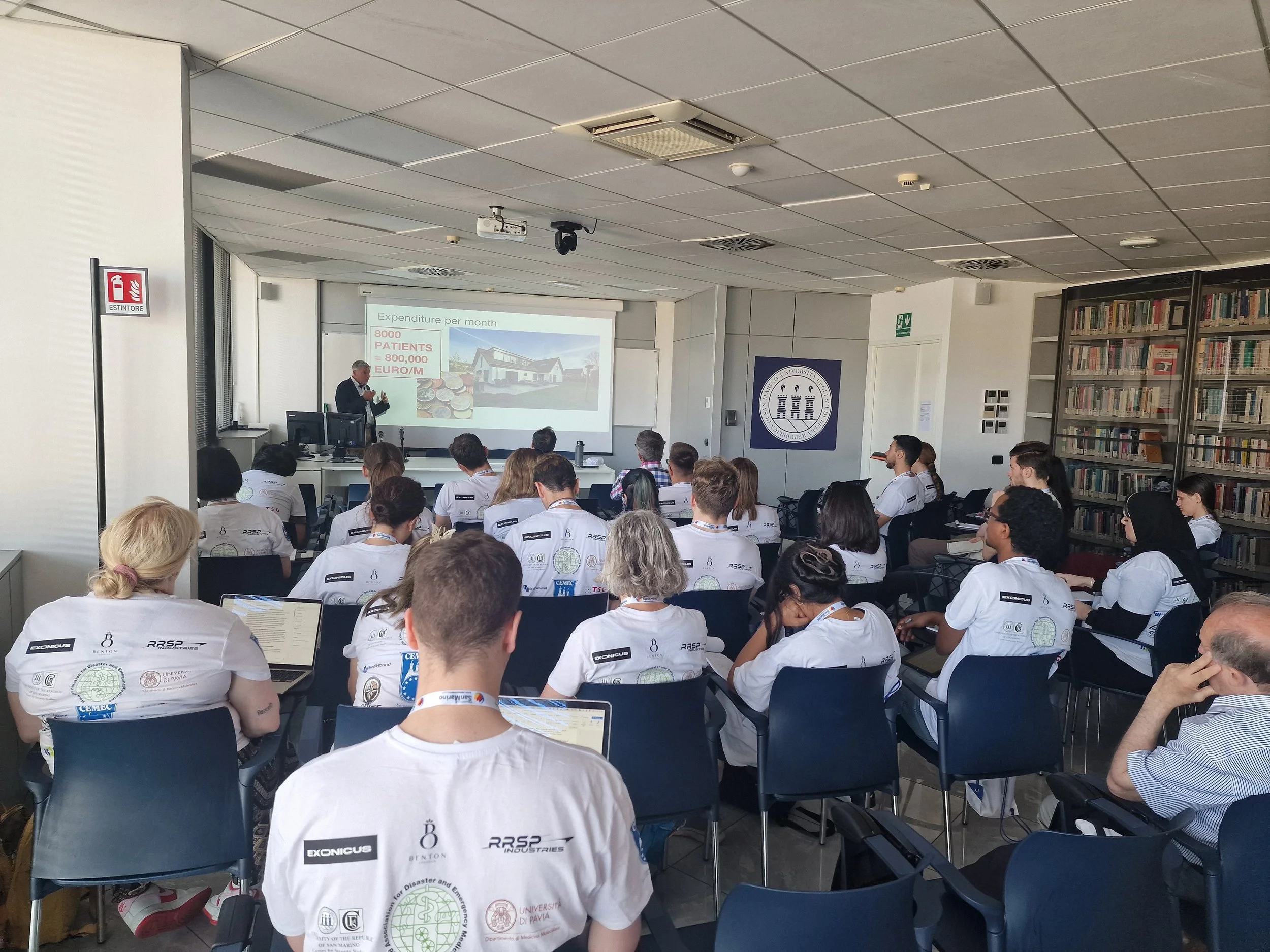
Prof. em. Knut Ole Sundnes, former WADEM President and a foundational pioneer of modern disaster health evaluation and research systems, Senior Scientist at Oslo University Hospital and a Professor Emeritus at the University of Stavanger.
Dr Frank Van Trimpont, President of the European Council of Disaster Medicine, Chair of the WADEM European Chapter and President of CTM-E.
Dr Ernesto A. Pretto Jr., Professor of Clinical Anesthesiology at the University of Miami and co-author of the definitive Eight-Step disaster evaluation research framework.
Prof. Roberto Mugavero, President of CEMEC; Director of the Centre for Security Studies at the University of San Marino; Head of the WHO Collaborating Centre for Health Security, CBRNe, and the EMTs Initiative; and President of OSDIFE.
Heejun Shin, MD, MS, FIBODM, Associate Professor of Emergency Medicine, Soonchunhyang University Bucheon Hospital, WADEM Board Member
Oleg Storozhenko, Emergency Operations Team Lead, WHO Regional Office for Europe, World Health Organisation,
George Lucian Tataru, Founder of CTM-E, and Co-Chair of WADEM’s Global Operational and Tactical Medicine SIG (GoptMed-SIG).
Alex Grant, UK Country Representative for CTM-E and London Ambulance Service Incident Response Officer.
Dr Marco Filippi, Senior Crisis Manager & SME Med-Int, CBRNe, SAR, and Medical Intelligence Analyst for CTM-E;
Crucially, the curriculum expanded beyond traditional emergency frameworks to advance a comprehensive, multi-sectoral vision. Discussions seamlessly integrated the roles of animals and nature, reinforcing a rigorous "One Health" approach to ecosystem resilience and community hazard prevention.
"The success of the Disaster Medicine Summer School 2026 is a testament to what can be achieved when institutions, experts, emergency responders, and future professionals work together with a shared vision of strengthening disaster preparedness, health security, and resilience," corporate and academic partners noted in a joint closing reflection.
Organisers extended their deepest appreciation to the community of local host partners—including the San Marino Red Cross, the University of San Marino, and the Protezione Civile San Marino—for their vital on-site coordination. Following this landmark pilot, preparations are already underway to carry this momentum forward into the 25th Congress on Disaster and Emergency Medicine in Paris in April 2027, with the next biennial edition of the WADEM Disaster Medicine Summer School projected for 2028.
About Counter-Terrorism Medicine Europe
Counter-Terrorism Medicine Europe (CTM-E) is a collaborative research, training, and advisory network operating across 19 countries. CTM-E is dedicated to advancing the specialised discipline of Counter-Terrorism Medicine by fostering civil-military dialogue, accelerating medical intelligence research, and implementing innovative educational frameworks to maximise operational readiness during complex emergencies.