The Technical University of Liberec hosts a landmark panel on CTM and conflict preparedness for students from the Erasmus BIP program
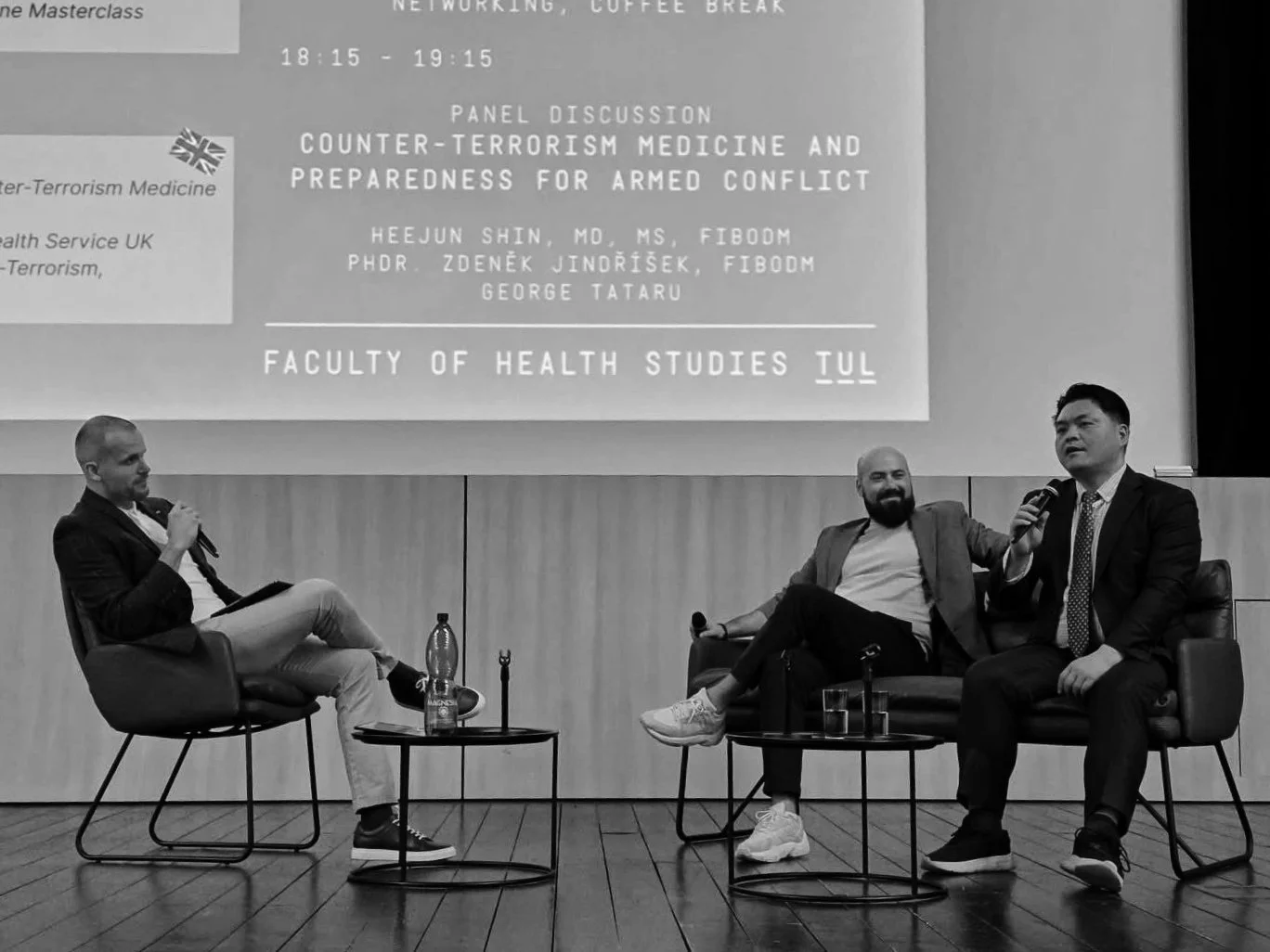
Photo credit - Faculty of Health Studies (TZS TUL)
LIBEREC, CZECH REPUBLIC – In a significant step toward bolstering medical resilience, the Technical University of Liberec (TUL) and the Faculty of Health Studies (TZS TUL) recently convened a specialised panel discussion focused on Counter-Terrorism Medicine (CTM) and healthcare preparedness for armed conflict.
The event brought together students and speakers alike to address the evolving threats facing European borders and urban centres.
Addressing the challenges in traditional emergency medicine
The discussion centred on the premise that there is still room to improve standard emergency medical protocols in intentional mass-casualty incidents (MCIs) or active conflict scenarios. Panellists emphasised that CTM represents a distinct sub-speciality, requiring a shift in mindset, but backed by research, from traditional "safety-first" civilian medicine to "security-integrated" clinical care. Taking questions from students in the Erasmus+ BIP (Blended Intensive Programme), Zdenek Jindrisek, Heejun Shin, and George Tataru have addressed various topics, including hospital CBRNe protocols, injury patterns in intentional vehicular attacks, and the global picture of terrorism and armed conflict.
Key themes explored during the session also included current strategies for managing medical outcomes in the "Hot Zone" during active shooter or blast scenarios, enhancing communication pathways between civilian hospitals and military logistical frameworks during large-scale escalations, and addressing the long-term mental health impact on first responders operating under the threat of secondary attacks.
Looking ahead
Counter-Terrorism Medicine Europe (CTM-E) commends the Technical University of Liberec and the Faculty of Health Studies (TZS TUL) for their leadership in this space and their commitment to students in the Erasmus+ BIP. This panel serves as a vital precursor to upcoming collaborative training exercises planned across Central and Eastern Europe for the 2026-2027 cycle.